
Lever's ATS-plus-CRM combo is one of the strongest unified platforms in its tier. The integrations make it a complete stack.
The 10 integrations below are the ones we see drive the most leverage across teams running on Lever in 2026. Each one writes structured data back into Lever so the ATS stays the source of truth.
All 10 integrations at a glance.
| Integration | What it adds to Lever |
|---|---|
| Metaview | Interview capture + AI sourcing + scorecard write-back |
| GoodTime | Multi-stage scheduling automation |
| HireEZ | Cross-platform sourcing across 45+ networks |
| HackerRank | Coding assessment with score write-back |
| DocuSign | Offer-letter signature with status sync |
| Slack | Stage-change and feedback notifications |
| LinkedIn Recruiter | Candidate sync from LinkedIn searches |
| Zoom | Auto-scheduled video interviews |
| Checkr | Background-check triggering at offer stage |
| Sense | Candidate texting and engagement automation |
1. Metaview.
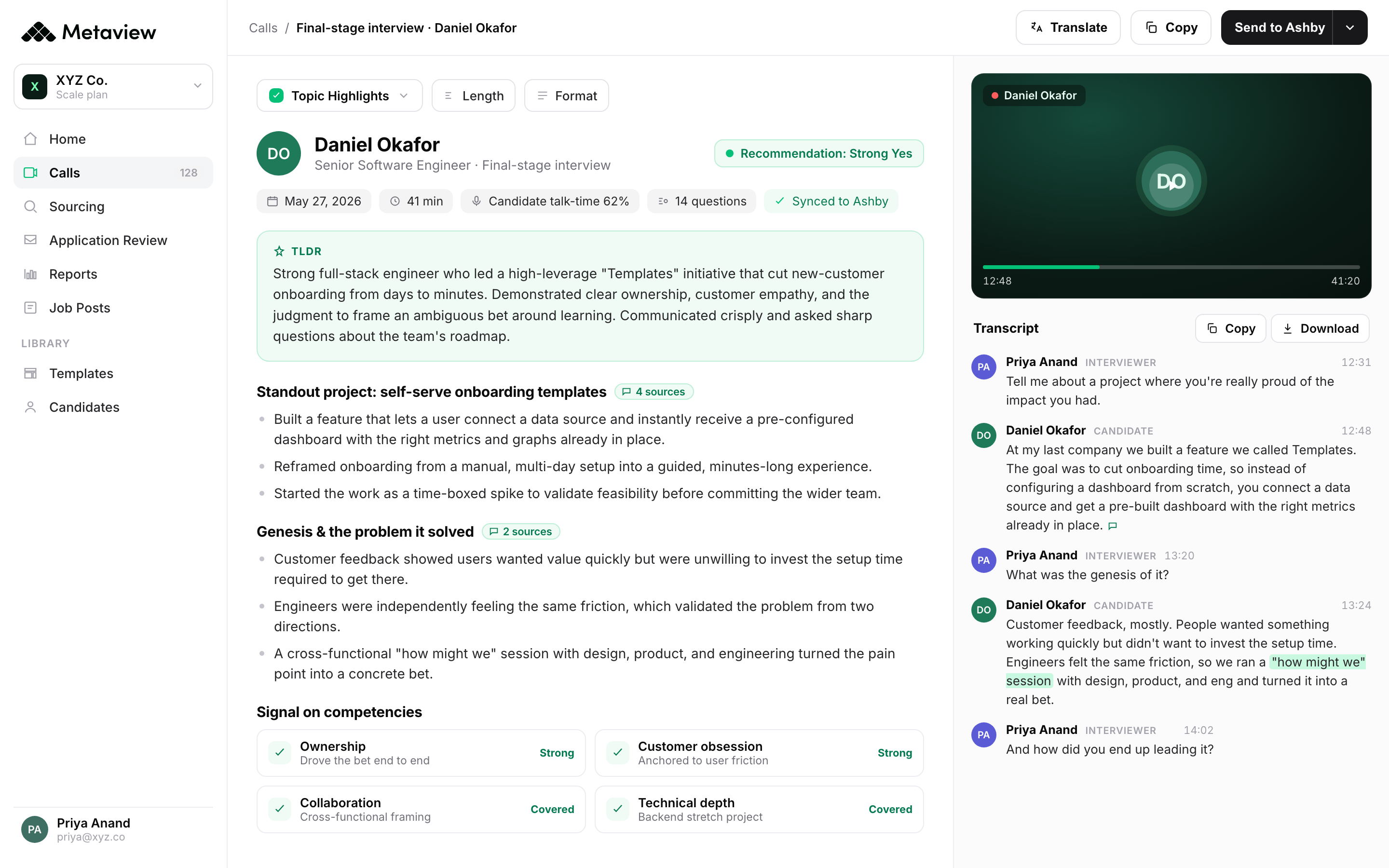
Metaview's native Lever integration captures every interview, maps answers to your Lever competency rubric, and writes the structured scorecard back to Lever automatically.
AI Sourcing pushes ranked candidates directly into Lever pipelines. Notetaker handles the capture; Reports handle the analysis. Best for: Any Lever team running interviews.
2. GoodTime.
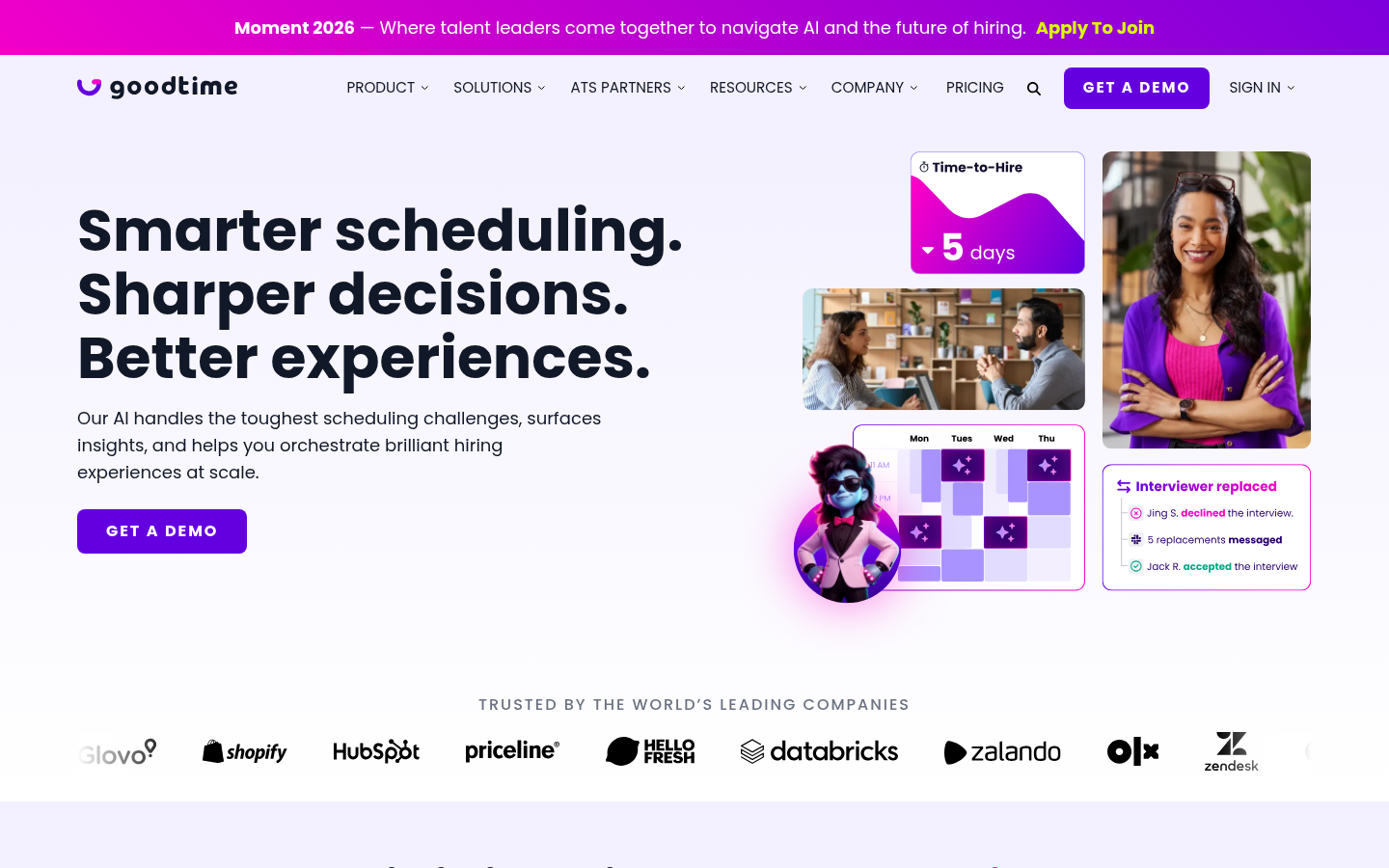
Multi-stage scheduling and panel coordination native to Lever stage transitions. Best for: Teams running 50+ active reqs with multi-stage panels.
3. HireEZ.
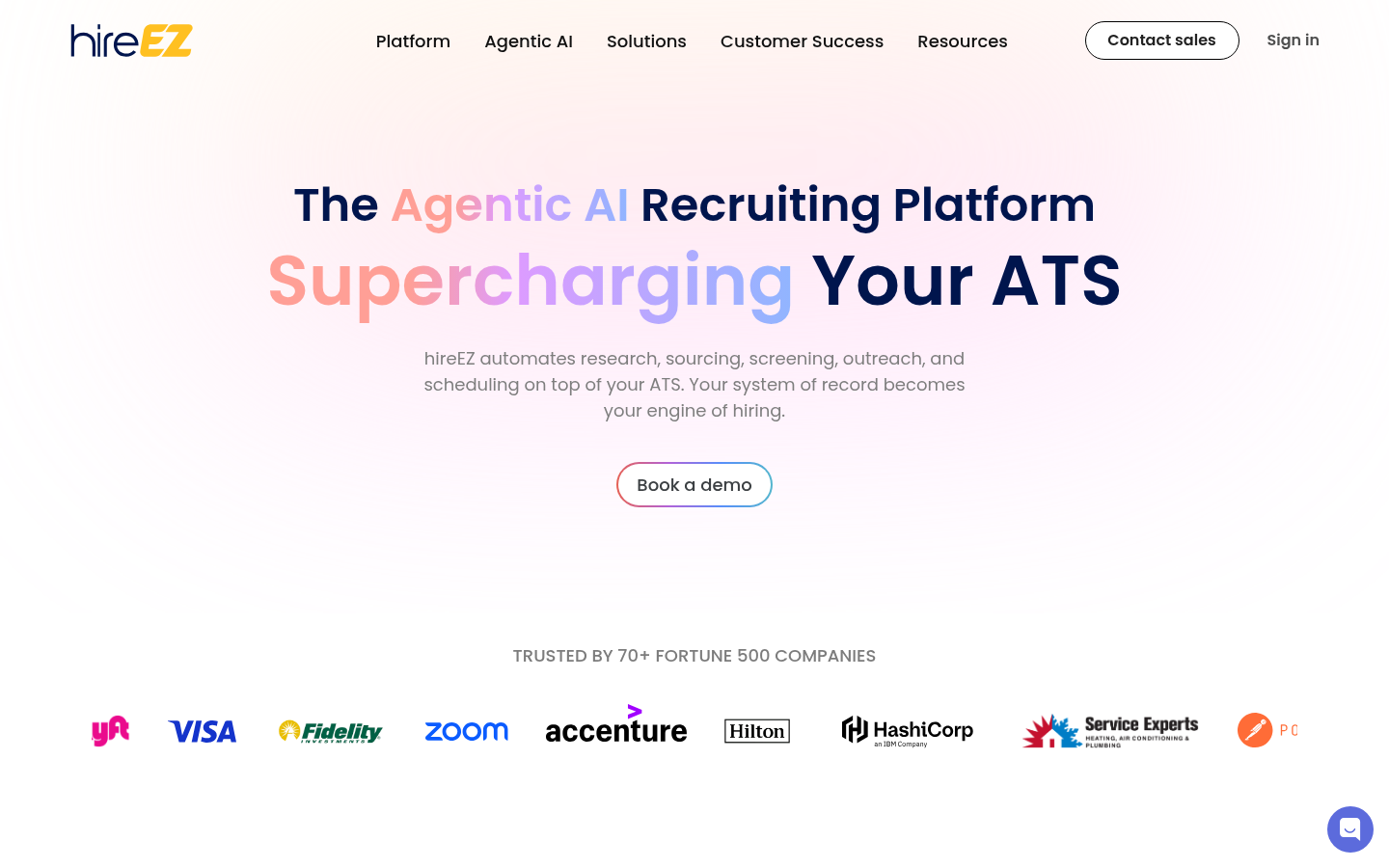
Cross-platform sourcing across LinkedIn, GitHub, and 45+ networks with candidate sync into Lever. Best for: Technical and specialized sourcing where LinkedIn alone isn't enough.
4. HackerRank.
Coding assessments trigger from Lever stage transitions; scores write back to the candidate record. Best for: Engineering hiring at IC1-IC3 volume.
5. DocuSign.
Offer-letter signature and tracking with status sync into Lever. Closes the offer-stage loop without manual updates.
6. Slack.
Stage-change notifications, feedback reminders, and interviewer pings triggered from Lever. Reduces email-tab fatigue.
7. LinkedIn Recruiter.
Candidate sync from LinkedIn searches into Lever pipelines. The classic sourcing-to-ATS handoff at lowest friction.
8. Zoom.
Auto-scheduled video interviews with calendar holds and reminder triggers. Pair with Metaview for the capture layer.
9. Checkr.
Background-check triggering at offer stage with status sync. Closes the pre-onboarding handoff.
10. Sense.
Candidate texting and engagement automation native to Lever. Strong for staffing and high-volume use cases.
How to pick the right integrations.
Start with three integrations: Metaview for capture, HireEZ or LinkedIn Recruiter for sourcing, GoodTime for scheduling. That covers most teams.
Add HackerRank if engineering volume is high. Add DocuSign and Checkr at the offer-stage handoff. Add Sense if you're running high-volume or staffing workflows.
Resist layering every available integration. Three or four done well usually beat eight done lightly.
4,000+ organizations now run hiring on Metaview, many on Lever, including emnify, Workleap, Lightspeed, Catawiki, and Automattic.
Bring Metaview into your hiring stack.
Live notes, structured scorecards, and ATS sync, set up in under 10 minutes.
Frequently asked.
What's the best Lever integration?
Metaview for any team running interviews. Native integration captures every interview, structures the scorecard, and writes back to Lever automatically with no recruiter copy-paste.
How many Lever integrations should a team run?
Three to five for most teams. Capture, sourcing, scheduling, plus one stage-specific tool (assessment or offer automation). Beyond that, integration maintenance costs more than it returns.
How long does integration setup take?
Most Lever integrations configure in minutes to hours. Lever's API supports deep write-back without custom engineering.
What if an integration doesn't write data back to Lever?
It's not worth the seat price. Integrations that don't write back create data silos and erode Lever as the source of truth. Verify write-back before committing.
Should I integrate everything Lever supports?
No. Each integration is a write-back surface that needs maintenance. Add new ones only when a workflow gap is named, not when the feature looks interesting on a vendor page.
How often should I audit Lever integrations?
Quarterly. Ask which integration would be hardest to remove. The answer surfaces what's actually pulling weight versus what's shelfware.
