
Enterprise recruiting breaks differently than scale-up recruiting does.
The volume is bigger. The interview panels are larger. The compliance requirements are real. And the tools that worked at 500 employees stop working at 5,000.
The 8 enterprise recruiting solutions below are the ones that hold up at scale. Each one is built for the volume, integration depth, and governance that enterprise teams actually need.
All 8 solutions at a glance.
| Solution | Category | Best for |
|---|---|---|
| Metaview | Interview intelligence + sourcing | Pairs with any enterprise ATS |
| Workday Recruiting | Enterprise ATS | Workday HCM-first orgs |
| SAP SuccessFactors | Enterprise ATS | SAP HCM-first orgs |
| Oracle Recruiting Cloud | Enterprise ATS | Oracle HCM-first orgs |
| iCIMS | Enterprise ATS | Integration-heavy HR stacks |
| Eightfold | Talent intelligence | Skills-based hiring at scale |
| Phenom | Career-site CX | Brand-led enterprise hiring |
| Avature | Configurable CRM/ATS | Highly customized enterprise workflows |
1. Metaview.
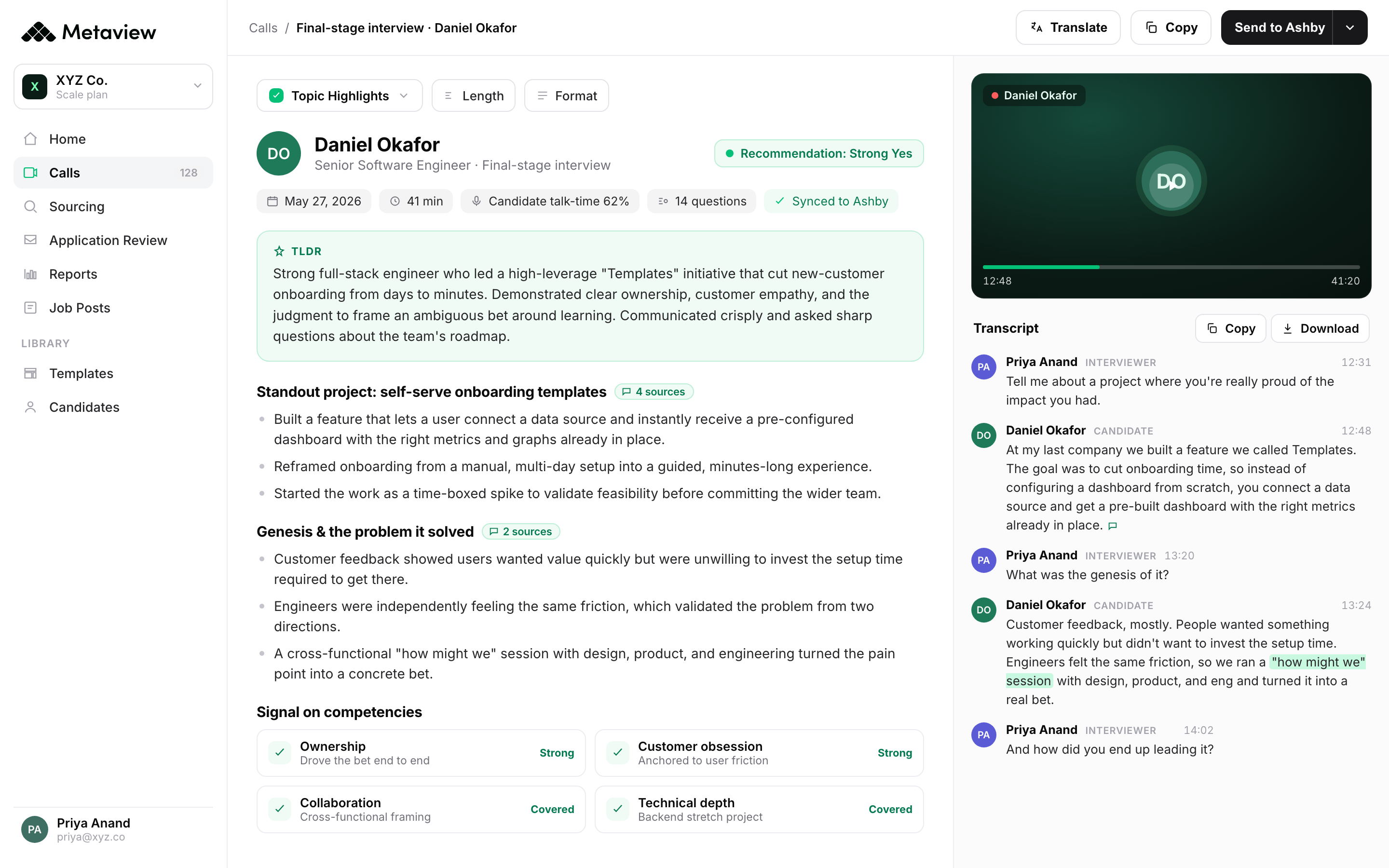
Metaview is the interview intelligence and sourcing layer that pairs with any enterprise ATS.
The pitch at enterprise scale: structured interview capture across thousands of interviewers, mapped to your competency rubric, with the scorecard writing back to Workday, SAP, Oracle, iCIMS, or Avature automatically.
It's not just the hours saved, but also the time you can use to focus on what really matters: getting the signal we need to make the best hiring decisions.”
Pricing: Free with a work email. Enterprise plans on request.
Best for: Enterprise teams that want interview intelligence layered on top of their existing ATS.
2. Workday Recruiting.
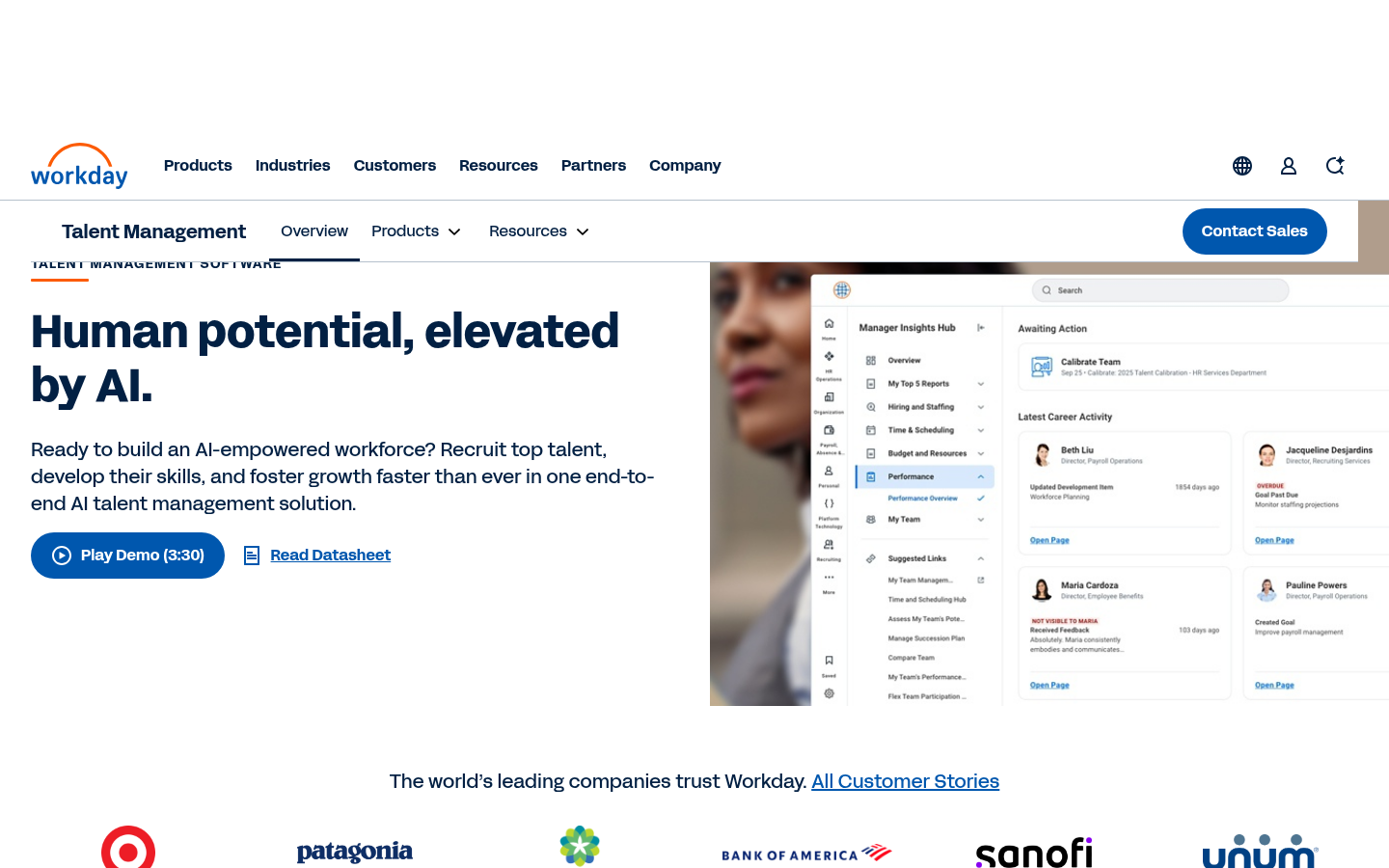
The volume-hiring ATS for enterprise HRIS-first organizations standardized on Workday HCM.
Best for: 5,000+-employee enterprises on Workday HCM. Pricing: Quote-based.
Where it falls short: Recruiter UX lags behind specialist ATSs. Most teams pair Workday with Metaview for interview capture.
3. SAP SuccessFactors.
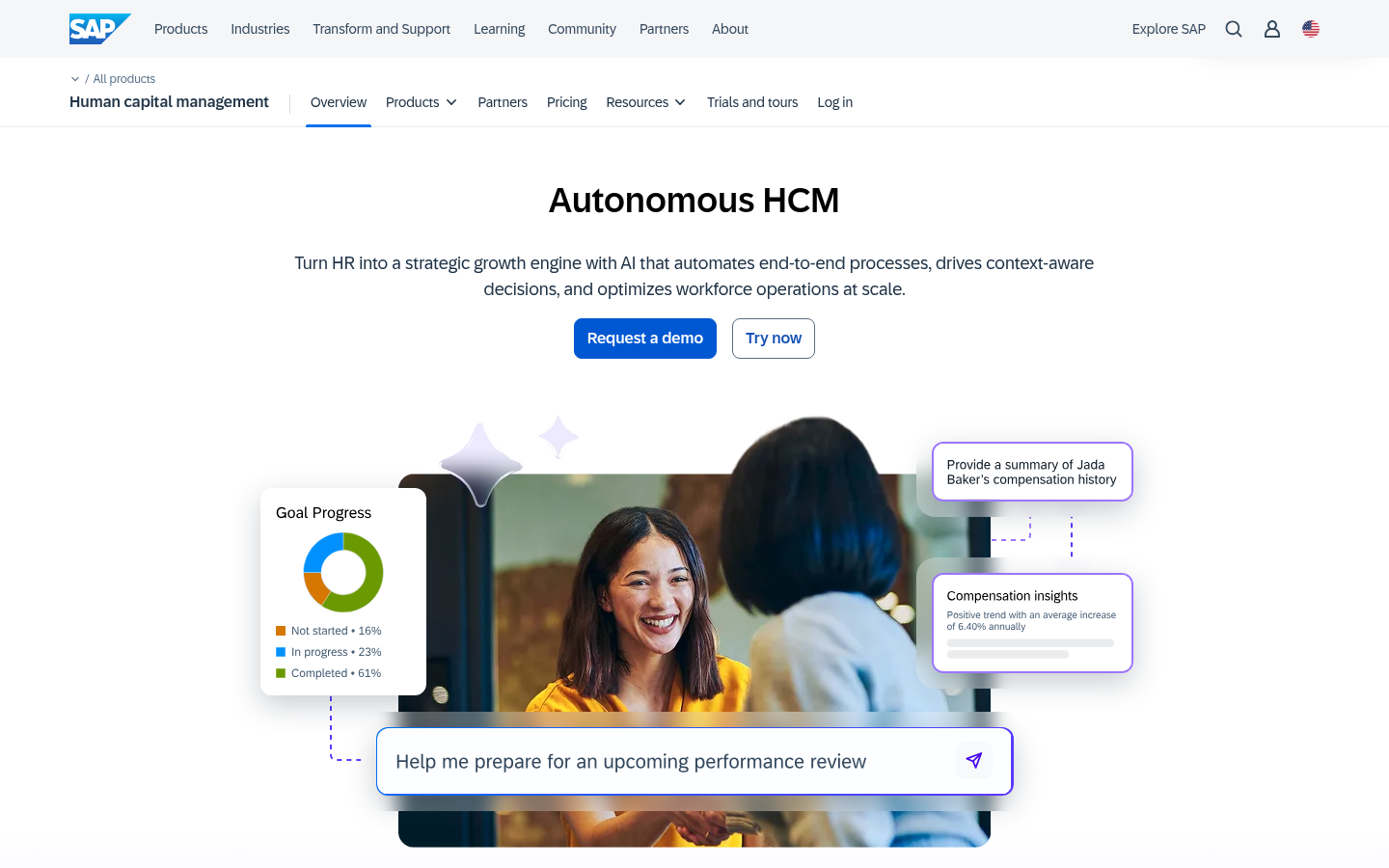
The default ATS layer for enterprises already on SAP HCM. Deep integration across the SAP HR ecosystem.
Best for: Enterprises with SAP HCM as the system of record. Pricing: Quote-based.
Where it falls short: Complex configuration; specialist recruiting features lag behind point tools.
4. Oracle Recruiting Cloud.
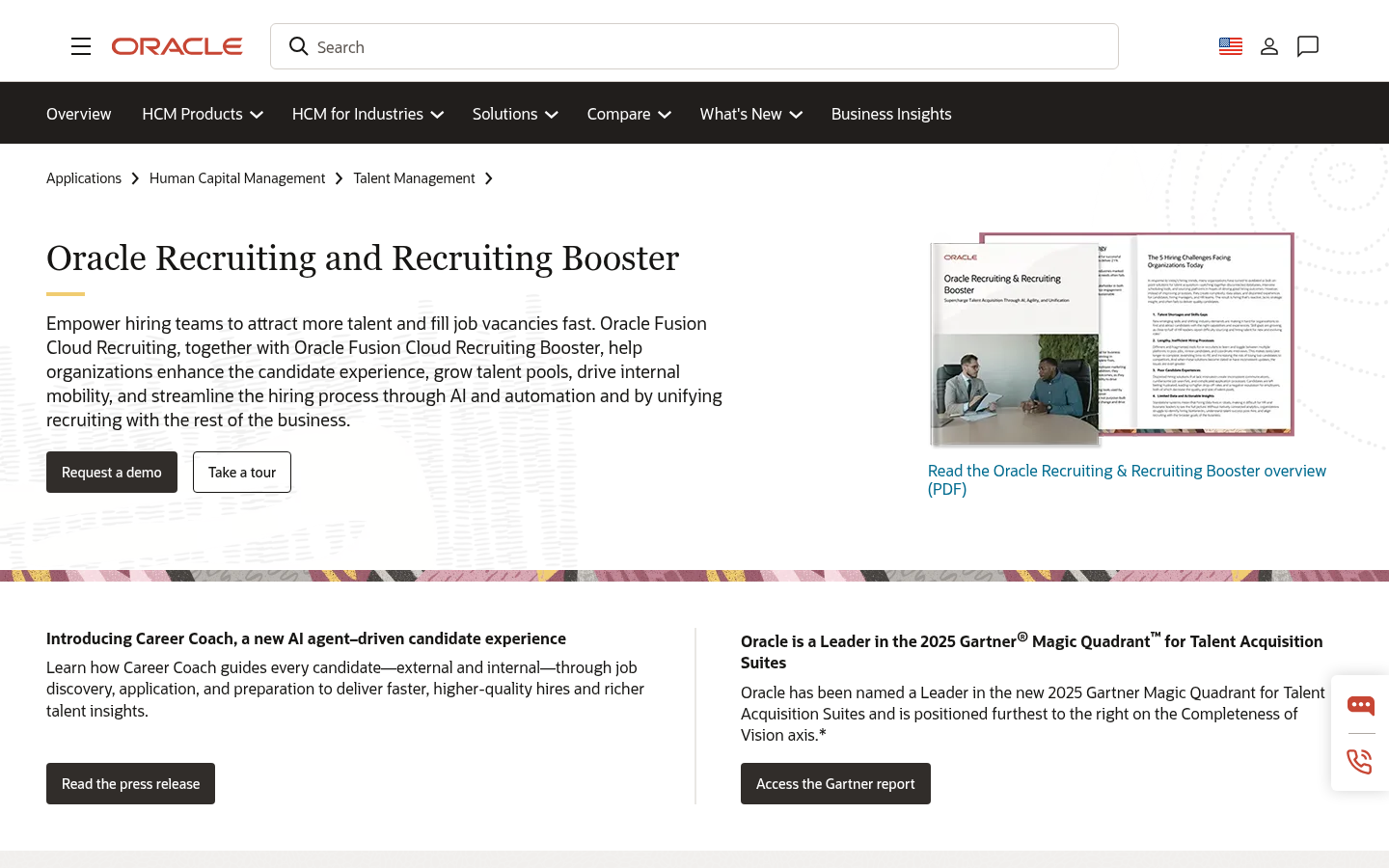
Oracle's recruiting layer inside Oracle HCM. Native integration with the rest of Oracle's HRIS ecosystem.
Best for: Oracle HCM-first enterprises. Pricing: Quote-based.
Where it falls short: Less recruiter-centric than dedicated ATSs.
5. iCIMS.
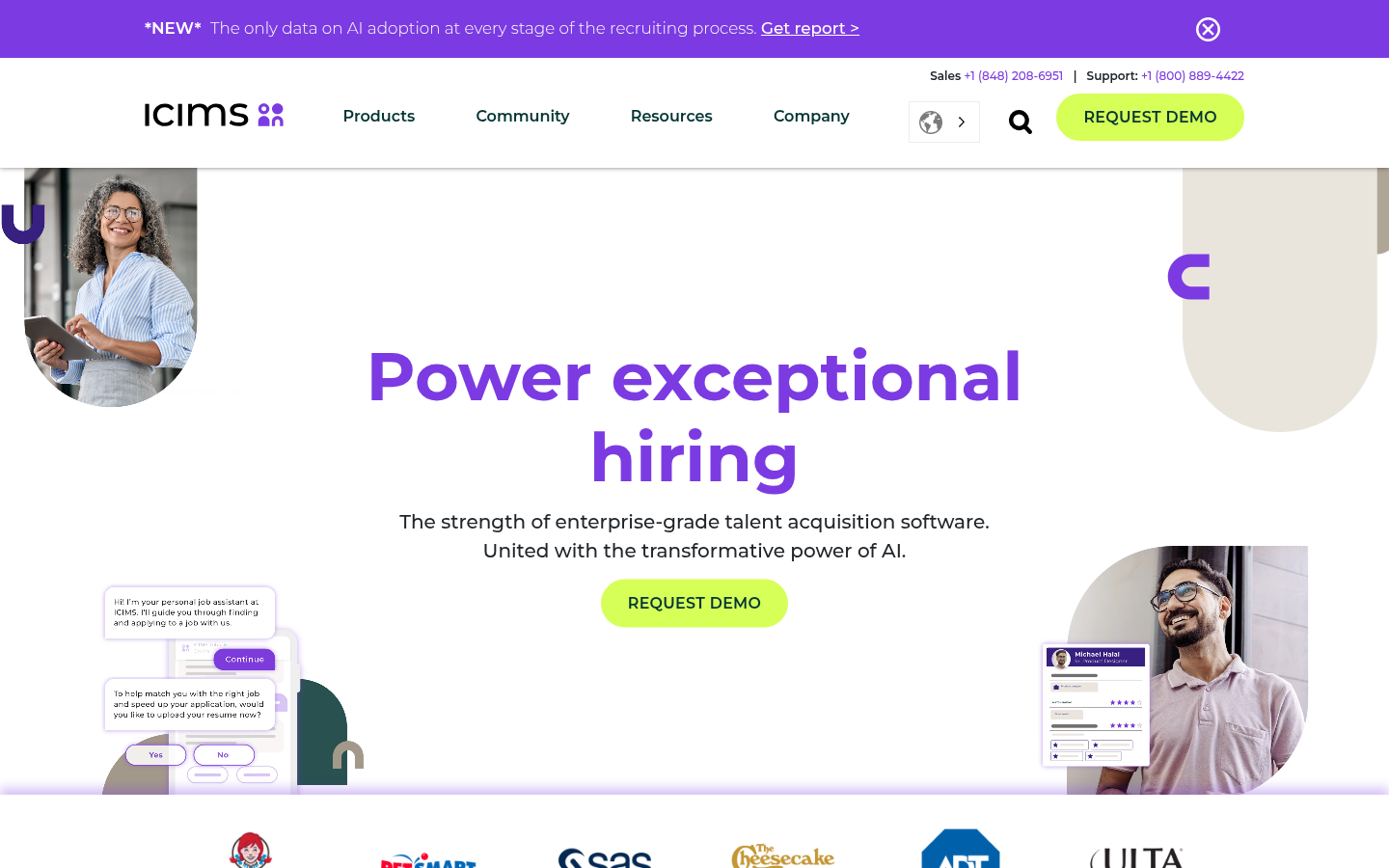
The large-enterprise default for HR-tech-heavy stacks. Deep connectors across Workday, SAP, Oracle, and the broader HRIS landscape.
Best for: 5,000+-employee orgs prioritizing HRIS integration. Pricing: Quote-based.
Where it falls short: Heavy implementation (6-9 months); UI lags behind newer competitors.
6. Eightfold.
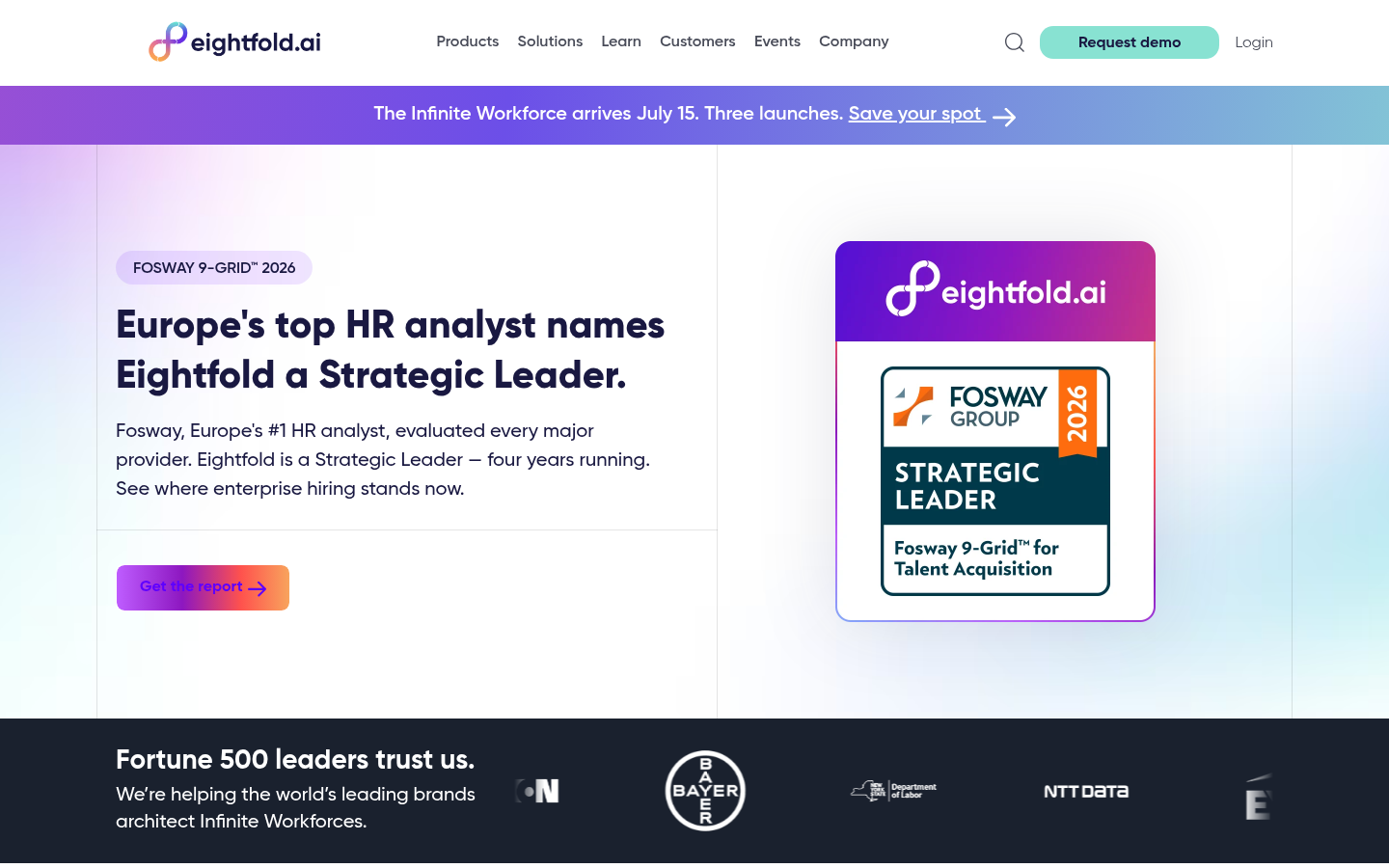
The talent intelligence layer that sits on top of an enterprise ATS. AI-driven skill-graph matching, career pathing, and internal mobility.
Best for: Enterprise teams treating recruiting as a talent intelligence problem. Pricing: Quote-based.
Where it falls short: AI-first positioning is its strength but also its limit; operational CRM workflows are weaker than specialist tools.
7. Phenom.
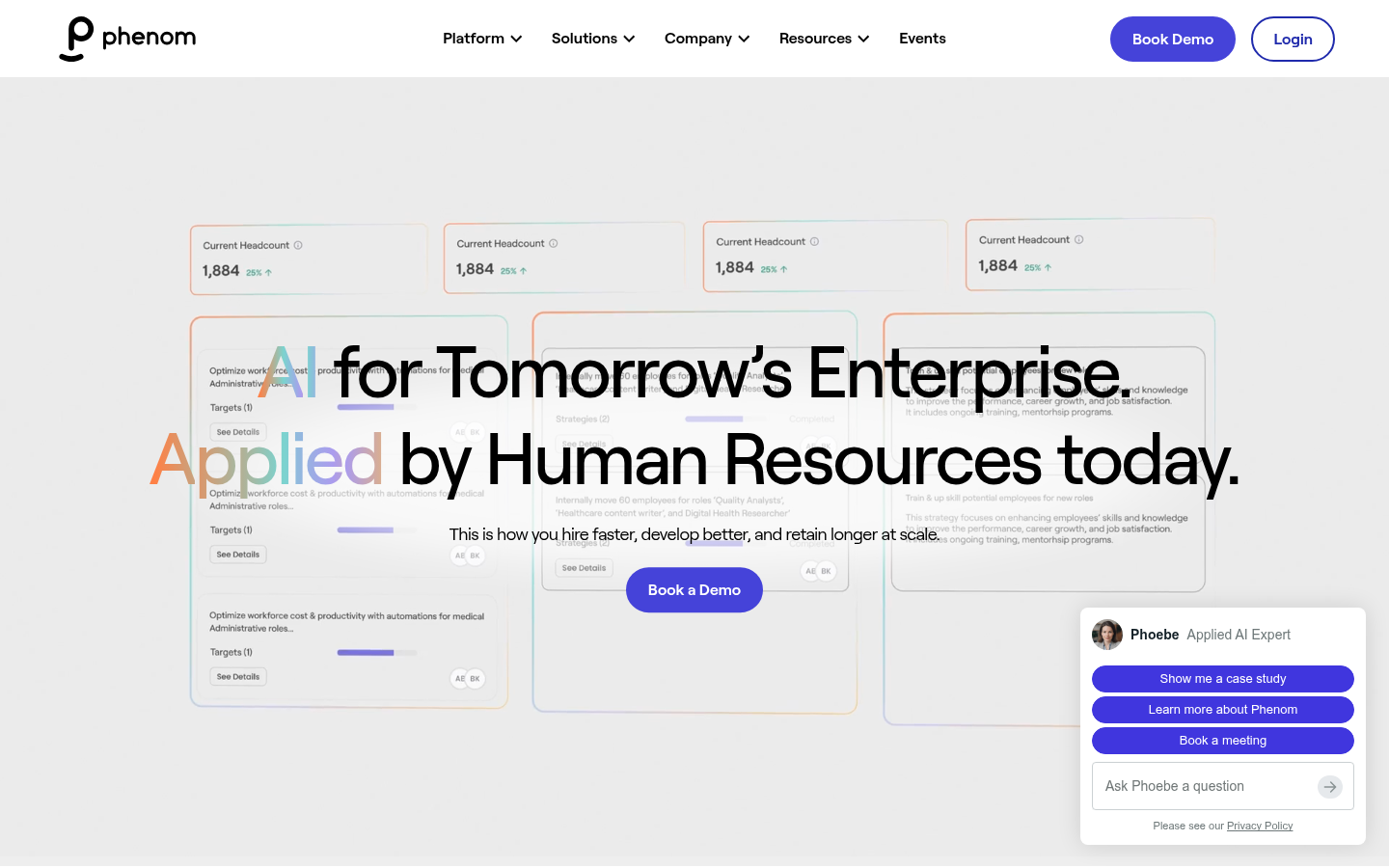
The candidate-experience platform that doubles as a CRM. Career-site personalization, chatbot, and AI job recommendations at enterprise scale.
Best for: Enterprises where employer brand is strategic. Pricing: Quote-based.
Where it falls short: CRM is downstream of the candidate-experience layer; teams with a strong CX layer already may not need the full stack.
8. Avature.
The most configurable enterprise CRM/ATS. Ships as a platform rather than a fixed product.
Best for: Enterprises with dedicated recruiting-ops capacity to configure and maintain. Pricing: Quote-based.
Where it falls short: Configurability is the selling point, and also the implementation cost. Plan a 6-12 month rollout.
How to evaluate enterprise solutions.
Three criteria decide the choice at enterprise scale.
First: which HRIS is your system of record? Workday HCM steers you toward Workday Recruiting; SAP toward SuccessFactors; Oracle toward Oracle Recruiting Cloud. Cross-HRIS deployments steer toward iCIMS or Avature.
Second: what's your interview consistency baseline? If interviewer variance is high, layer Metaview for structured capture and scoring across thousands of interviewers without forcing process change on each one.
Third: how strong is your candidate-experience moat? If employer brand is strategic, Phenom or a Workday-plus-Phenom combo. If skills-based hiring is the priority, Eightfold.
4,000+ organizations now run hiring on Metaview, including Deliveroo, Brex, Hudl, emnify, Lightspeed, Catawiki, and Automattic.
Bring Metaview into your hiring stack.
Live notes, structured scorecards, and ATS sync, set up in under 10 minutes.
Frequently asked.
What's the best enterprise recruiting solution in 2026?
Depends on the HRIS. Workday Recruiting for Workday HCM orgs, SuccessFactors for SAP, Oracle Recruiting Cloud for Oracle. Across all of them, layer Metaview for interview intelligence and structured capture.
How long does enterprise recruiting implementation take?
6-12 months is the typical window for ATS implementation. Layered tools like Metaview can integrate in days to weeks because they don't require the data-migration work the core ATS does.
Do enterprise teams need separate ATS and CRM?
Usually yes. The ATS handles req-driven flow; the CRM handles long-cycle nurture for senior and executive hires. Both are needed once cycle length stretches past three months.
How does interview intelligence fit in the enterprise stack?
It's the structured-capture layer between the ATS and the actual interview conversation. Metaview holds the interview, maps it to your rubric, and writes the scorecard back into Workday, SAP, or your other ATS automatically.
What about compliance and audit trails?
Look for SOC 2 Type II, GDPR-aligned controls, and structured audit logs per hiring decision. Metaview and iCIMS lead on this dimension; verify it before any enterprise rollout.
How do enterprise teams reduce tool sprawl?
Consolidate around the system of record (the ATS) and pick layered tools that write back to it. Quarterly audits of which tools are actually pulling weight catch sprawl before it compounds.
